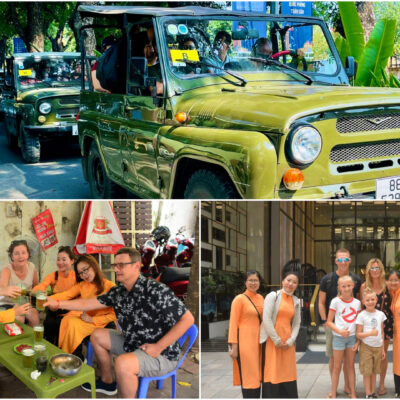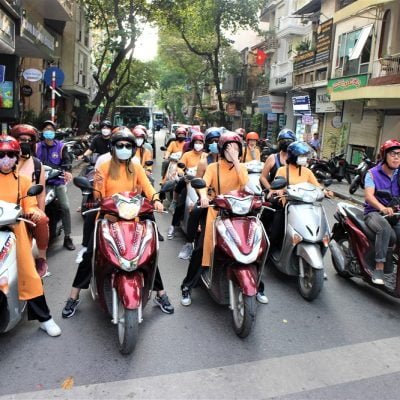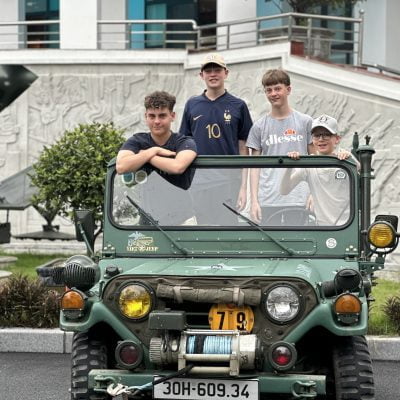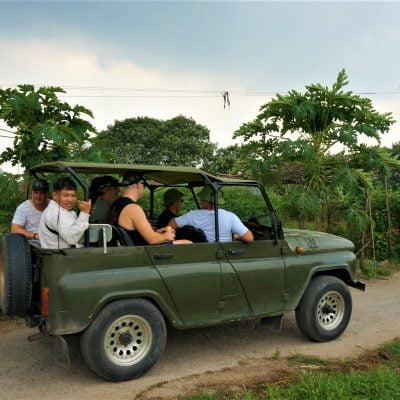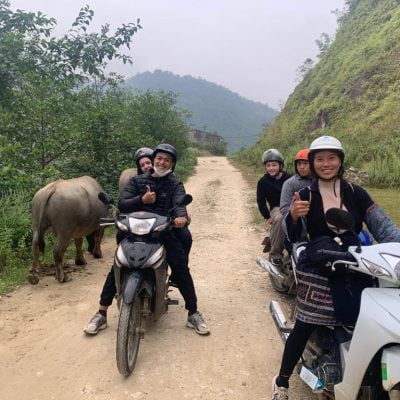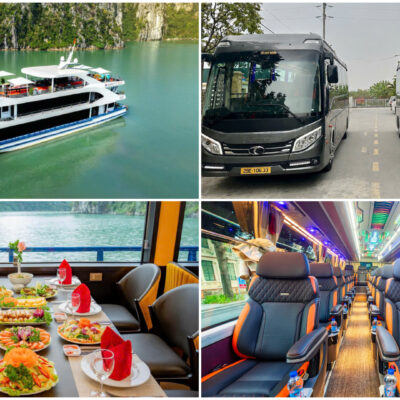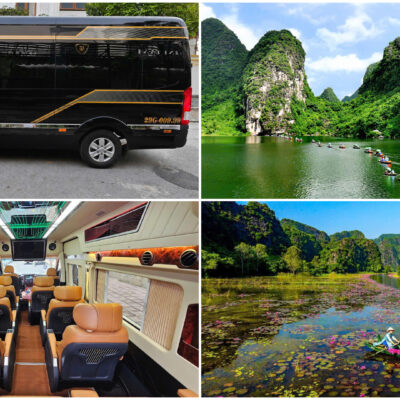

Hanoi Jeep Tour Through Hanoi’s Hidden Corners
A Hanoi Jeep Tour Through Hanoi’s Hidden Corners is designed for travelers who want to discover a side of Hanoi that is easy to miss on a traditional sightseeing tour. Instead of visiting only the city’s famous monuments, you travel through narrow alleys, local neighborhoods, small markets, residential streets, riverside areas, agricultural land, and lesser-known corners where everyday Hanoi life continues away from the main tourist routes.
The experience combines an open-air Vietnam-style Jeep with local guides, historical stories, food, photography, and cultural encounters. Current itineraries specifically include hidden alleys, local homes, schools, markets, Long Bien Bridge, Banana Island, West Lake, Train Street, and major historical landmarks.
For the latest itinerary, availability, pricing, and booking information, visit the official website: https://toursjeephanoi.com/. Hanoi Jeep Tours – Official Website
Why Explore Hanoi’s Hidden Corners by Jeep?
Hanoi is a city of contrasts. Behind the busy streets of the Old Quarter are narrow residential lanes, traditional homes, small workshops, local markets, schools, cafés, and quiet neighborhoods. A conventional sightseeing itinerary may take you directly from one famous landmark to another without giving you much opportunity to see these less-known areas.
A Jeep Tour changes the way you experience the city. The open-air vehicle allows you to observe the streets as you travel, while the local guide explains the history and everyday life behind the places you see. The current Hanoi Jeep itinerary specifically emphasizes lesser-known streets, local homes, schools, markets, and hidden trading areas that are often overlooked by standard tours.
Start in Hanoi’s Hidden Alleys
The adventure begins by leaving the main tourist streets and entering Hanoi’s smaller lanes. These narrow passages reveal a much more intimate side of the capital.
You may see residents sitting outside their homes, small family businesses, children returning from school, local cafés, food vendors, and traditional houses squeezed between modern buildings. The streets can feel completely different from the busy roads around Hoan Kiem Lake.
This is where you begin to understand that Hanoi is not simply a city of famous attractions. Much of its character exists in the spaces between them.
Discover Local Homes and Neighborhoods
One of the most interesting aspects of the hidden-corners itinerary is seeing residential Hanoi.
Instead of looking at the city only from the perspective of a tourist, you can observe how people actually live. Some neighborhoods contain generations-old homes alongside modern buildings, creating an unusual mixture of old and new.
Current Jeep itineraries also describe opportunities to interact with locals in their homes and share stories over tea.
These moments can make the experience much more personal.
Explore Local Markets
Local markets are another important part of the hidden Hanoi experience.
Markets reveal what residents buy, sell, cook, and use every day. You may encounter fresh produce, household products, food stalls, unusual merchandise, and small businesses that rarely appear on conventional tourist itineraries.
The current Jeep route includes local markets and Cho Gioi, a long-established pop-up market known for items such as used electronics, auto parts, and other distinctive goods.
See Hanoi Beyond the Tourist Streets
The most interesting part of a hidden-corners tour is often the contrast.
One moment you may be traveling through a narrow alley surrounded by homes and small businesses. A few minutes later, the Jeep can emerge onto a major boulevard lined with French colonial architecture.
This constant transition between intimate local streets and grand urban spaces is one of the defining characteristics of Hanoi.
Discover Hanoi’s French Colonial Architecture
After exploring the smaller streets, the Jeep can continue toward Hanoi’s wider boulevards and historic French Quarter.
Here you can see elegant colonial buildings, tree-lined streets, historic villas, and landmarks such as the Hanoi Opera House. The current itinerary combines these architectural areas with the city’s hidden neighborhoods, creating a broader picture of Hanoi’s history.
The contrast between narrow traditional lanes and spacious colonial avenues makes Hanoi particularly interesting for photographers.
Visit the Hanoi Opera House
The Hanoi Opera House is one of the most recognizable examples of French colonial architecture in the capital.
Your guide can explain its historical background while you admire the surrounding streets and buildings. It also provides a useful example of how Hanoi’s architectural landscape combines Vietnamese traditions with European influences.
Discover the B-52 Wreckage
Another unexpected corner of Hanoi is Huu Tiep Lake, where the remains of a B-52 aircraft can be seen.
The wreckage sits within a residential environment, creating a striking contrast between wartime history and modern everyday life. Current Jeep itineraries include the B-52 wreckage as part of the historical and cultural exploration of Hanoi.
For visitors interested in history, this is one of the most memorable stops on the route.
Cross Historic Long Bien Bridge
From the hidden neighborhoods, the Jeep can continue toward Long Bien Bridge.
The historic steel bridge crosses the Red River and has played an important role in Hanoi’s history. It also provides excellent views of the river, surrounding countryside, railway infrastructure, and city skyline.
Current Jeep itineraries specifically highlight Long Bien Bridge for photography and its historical significance.
Discover the Red River
Once you reach the Red River, the scenery changes dramatically.
The dense urban environment begins to open up, revealing riverside landscapes, gardens, farmland, and quieter communities. This transition is one of the most surprising parts of the experience because these landscapes are located surprisingly close to central Hanoi.
It is a reminder that Hanoi is both a major capital city and a place where rural landscapes remain closely connected to urban life.
Explore Banana Island
Banana Island is perhaps one of the best examples of Hanoi’s hidden corners.
Located near the Red River, this agricultural area feels far removed from the busy streets of central Hanoi. Current Jeep routes travel through gardens, vegetable farms, rustic paths, banana trees, and guava trees.
You can see farmers working, gardens growing beside dirt paths, and a much slower pace of life.
The contrast is remarkable: within the same tour, you can experience Hanoi’s dense urban center and then suddenly find yourself surrounded by farmland.
Experience Rural Hanoi Without Leaving the City
For many international visitors, Banana Island is one of the biggest surprises.
You do not need to travel several hours outside Hanoi to experience rural Vietnam. The agricultural landscape near the Red River provides a glimpse of countryside life surprisingly close to the capital.
This is particularly valuable for travelers who have limited time but want to see more than the standard city attractions.
Discover West Lake
After the rural landscape of Banana Island, the Jeep can return toward West Lake.
West Lake is Hanoi’s largest lake and provides a completely different atmosphere. The streets around the lake are quieter and more spacious than many parts of the Old Quarter.
You can see lakeside cafés, restaurants, residential neighborhoods, trees, cyclists, and local residents enjoying the area.
The lake is especially attractive in the late afternoon when the temperature becomes more comfortable and the light becomes softer.
Explore Truc Bach Lake
Truc Bach Lake is another scenic part of the itinerary.
Smaller and more intimate than West Lake, it is surrounded by residential streets, restaurants, trees, and local businesses. It provides another opportunity to experience Hanoi away from the busiest tourist areas.
Experience Train Street
The itinerary can also take you toward the famous Train Street area.
Here, railway tracks pass through a narrow residential neighborhood where homes and businesses are located close to the railway. It is one of Hanoi’s most unusual urban environments.
The area provides a fascinating look at the relationship between infrastructure and everyday life. However, visitors should always follow current access rules, remain in permitted areas, and follow their guide’s safety instructions around the railway.
Meet Hanoi’s Local People
The hidden-corners concept is ultimately about people.
Buildings and streets are interesting, but conversations with local residents can make the experience much more meaningful.
Depending on the itinerary, you may have opportunities to interact with residents, learn about their daily routines, and hear stories about the neighborhood. Current Jeep programs specifically promote local interaction and conversations over tea.
These personal encounters can be the moments you remember long after the tour has finished.
Taste Local Vietnamese Food
Exploring hidden Hanoi also means discovering hidden food.
Some of the city’s most interesting dishes are prepared in small family-run restaurants and tucked-away eateries rather than large tourist restaurants.
A Jeep Food Tour can take you into local neighborhoods to experience Vietnamese dishes while learning about the culinary traditions behind them. Current food-focused itineraries include hidden alleys, local eateries, Vietnamese dishes, drinks, and Egg Coffee or dessert.
Try Bánh Cuốn
Bánh Cuốn is a popular Hanoi specialty made from delicate steamed rice sheets filled with savory ingredients.
Watching the preparation can be part of the experience. The thin rice sheets are prepared fresh and served with herbs and dipping sauce.
For visitors discovering Vietnamese food for the first time, Bánh Cuốn is an excellent introduction to Hanoi’s lighter and more delicate cuisine.
Taste Bún Chả
Bún Chả is another dish closely associated with Hanoi.
Grilled pork is served with rice noodles, fresh herbs, and a flavorful dipping sauce. The smoky aroma from the charcoal grill is often one of the first things visitors notice.
Eating Bún Chả in a small local restaurant while exploring Hanoi’s backstreets creates a much stronger connection between the dish and the city where it originated.
Finish With Vietnamese Egg Coffee
A hidden-café experience can be a perfect ending to the tour.
Vietnamese Egg Coffee is one of Hanoi’s most distinctive drinks, combining strong coffee with a rich, creamy egg topping.
Current Jeep itineraries can also offer Mango and Caramel Pudding as an alternative dessert.
Why the Open-Air Jeep Makes a Difference
The vehicle itself contributes to the experience.
A conventional car separates you from the streets with closed windows and air conditioning. The open-air Jeep gives you a much stronger connection with your surroundings.
You can hear Hanoi’s traffic, smell street food, watch local activity, photograph the streets, and feel the breeze as you travel between different neighborhoods.
The Jeep therefore becomes more than transportation. It becomes part of the sightseeing experience.
A Different Perspective for Photographers
Hanoi’s hidden corners are particularly valuable for photographers.
The Old Quarter provides narrow streets and traditional architecture. Local markets offer colorful scenes and everyday activity. Long Bien Bridge provides wide views over the Red River. Banana Island introduces gardens and agricultural landscapes. West Lake provides water and sunset scenery, while Train Street offers a unique urban environment.
Because the tour combines so many different environments, photographers can return with a much more diverse collection of images.
Hanoi Jeep Tour for Couples
A hidden-corners Jeep Tour can be a memorable experience for couples because it provides an opportunity to discover Hanoi away from the busiest tourist routes.
You can travel through quiet neighborhoods, photograph local streets, stop for Vietnamese food, cross Long Bien Bridge, explore Banana Island, and finish with coffee.
A private Jeep experience also allows couples to enjoy the tour without sharing the vehicle with unrelated travelers.
Hanoi Jeep Tour for Families
Families can enjoy the variety of the hidden-corners itinerary.
Instead of spending several hours visiting museums or monuments, children can see markets, farms, bridges, local streets, and the open-air Jeep itself.
Parents can also learn about Hanoi’s history and food culture while the children experience a more adventurous side of the city.
Hanoi Jeep Tour for Small Groups
Small groups of friends can particularly benefit from a private Jeep experience.
Everyone can travel together, share photographs, taste Vietnamese food, and discover local neighborhoods without being separated into different transportation arrangements.
For travelers who prefer personalized experiences, a private Jeep is a natural choice.
How Long Is the Hanoi Hidden-Corners Jeep Tour?
The standard city experience currently takes approximately 4.5 hours, with morning departures around 8:00 AM, afternoon departures around 1:00 PM, and sunset/evening departures around 5:30 PM.
A shorter 2.5-hour version is also available for travelers who have limited time.
For travelers who want to explore even farther beyond Hanoi’s hidden corners, full-day city-and-countryside Jeep experiences are also available.
Morning Hanoi Jeep Through Hidden Corners
A morning tour is ideal for travelers who want to experience Hanoi while local life is beginning for the day.
Markets are active, food vendors are preparing breakfast, and neighborhoods are full of residents starting work and school.
Morning light is also excellent for photography, particularly around Long Bien Bridge and Banana Island.
Afternoon Hanoi Jeep Through Hidden Corners
An afternoon tour provides a more relaxed start to the day.
You can spend the morning exploring Hoan Kiem Lake and the Old Quarter independently before joining the Jeep in the afternoon.
The later part of the tour can take you toward West Lake and other scenic areas as Hanoi begins moving toward the evening.
Evening Hanoi Jeep Through Hidden Corners
At night, the hidden corners of Hanoi become even more atmospheric.
Local restaurants become busy, street-food vendors prepare dinner, cafés fill with customers, and the Old Quarter becomes increasingly lively.
An evening Jeep experience can combine hidden neighborhoods with Vietnamese food and nighttime sightseeing.
What Makes This Tour Different?
The difference is that you are not simply checking famous attractions off a list.
You are discovering how Hanoi works.
You see where people live, where they shop, where they eat, where they farm, where they gather, and how the old city connects to the modern capital.
You can see a French colonial building in the morning, a local market minutes later, farmland beside the Red River after that, and then return to a busy urban neighborhood.
That variety is what makes Hanoi so fascinating.
Final Thoughts
A Hanoi Jeep Tour Through Hanoi’s Hidden Corners is ideal for travelers who want to look beyond the standard tourist route.
The experience takes you through narrow alleys and residential neighborhoods before connecting Hanoi’s hidden local life with its famous historical landmarks. You can discover local markets, see the B-52 wreckage, cross Long Bien Bridge, explore the agricultural landscape of Banana Island, enjoy West Lake, experience Train Street, and taste authentic Vietnamese food.
The most memorable part may not be a famous monument at all.
It may be a quiet alley, a local market, a conversation with a resident, a farmer working beside the Red River, a small family restaurant, or a street you would never have discovered on your own.
This is Hanoi beyond the postcard — Hanoi as locals experience it every day.
Book Your Hanoi Jeep Tour
Hanoi Jeep Tours – Led by Women
Official Website: https://toursjeephanoi.com/
Address: 91 Tho Nhuom Street, Hoan Kiem District, Hanoi, Vietnam
WhatsApp: +84 982 416 518 / +84 981 090 989
Email: toursjeephanoi@gmail.com
Discover Hanoi’s hidden corners by open-air Jeep and experience the city’s local neighborhoods, markets, history, countryside, food, and everyday life beyond the usual tourist route.