Sapa Travel Guide: Best Things to Do and Places to Visit
Sapa is one of Northern Vietnam’s most memorable mountain destinations, known for its dramatic rice terraces, mist-covered valleys, ethnic villages and spectacular views of the Hoang Lien Son range. Located in northwestern Vietnam at an elevation of more than 1,500 meters, Sapa has a much cooler climate than Hanoi and offers a completely different travel experience. The town itself is a useful base, but the real attraction lies in the surrounding valleys and villages, where travelers can trek through rice fields, meet local communities, stay in homestays and explore mountain landscapes. Official Sapa tourism information recommends March–May and September–November as especially favorable periods, while different seasons offer very different scenery.
Sapa is also a destination where the weather can change quickly. You may experience sunshine, cloud, rain and mist within the same day, particularly in the mountains. This is part of the character of the region rather than simply a disadvantage. On a clear morning, you may see Fansipan rising above the valley; on another day, the same landscape may disappear beneath clouds and create a completely different atmosphere. Sapa Tourism Office describes the destination as a mountain town where changing weather and mist are part of its distinctive character.
Sapa Travel Guide at a Glance
| Experience | Recommended Time | Best For |
|---|---|---|
| Sapa Town | 2–4 hours | First-time visitors |
| Fansipan | Half day | Mountain views |
| Muong Hoa Valley | Half–1 day | Rice terraces |
| Lao Chai | Half–1 day | Trekking & culture |
| Ta Van | Half–1 day | Villages & homestays |
| Cat Cat Village | Half day | Easy cultural visit |
| Ta Phin | Half–1 day | Red Dao culture |
| Bac Ha Market | Full day | Local markets |
| Y Ty | 1–2 days | Remote landscapes |
| Sapa Trekking | 1–2 days | Active travelers |
Why Visit Sapa?
Sapa combines several experiences that are difficult to find together in one destination. You can have breakfast in a mountain town, walk through rice terraces, visit an ethnic village, take a cable car toward Vietnam’s highest peak and finish the day drinking tea while clouds move across the valley.
The destination is especially attractive for travelers who enjoy nature, trekking, photography and local culture. It is also one of the easiest mountain destinations in Northern Vietnam to combine with Hanoi.
How to Get From Hanoi to Sapa
The journey from Hanoi to Sapa is usually made by limousine bus, sleeper bus, private car or train plus road transfer. Sapa itself does not have a railway station; trains from Hanoi arrive at Lao Cai, from where travelers continue by road to Sapa.
For most visitors, a daytime limousine provides the simplest combination of price and convenience. Private cars are better for couples, families and travelers who want flexible stops. The overnight train is an alternative for travelers who enjoy rail journeys and want to save daytime travel.
Because Sapa is a mountain destination, allow enough time. A day trip from Hanoi is not recommended.
How Many Days Do You Need in Sapa?
A 2-night stay is a useful minimum. Three nights is better for travelers who want to combine trekking, Fansipan and village experiences without rushing.
A practical itinerary can be:
Day 1: Hanoi → Sapa, explore the town.
Day 2: Muong Hoa Valley trekking.
Day 3: Fansipan or another village.
Day 4: Sapa → next destination.
Travelers interested primarily in trekking can extend the stay to four or five nights and explore more remote routes.
Best Time to Visit Sapa
There is no single best month for everyone because Sapa changes dramatically throughout the year. Sapa Tourism Office recommends March to May and August to October, with April and September particularly attractive for outdoor activities and scenery.
For rice terraces, the agricultural calendar matters more than a generic “best month.” Late May to early June is the “shimmering water season,” when the terraces are flooded before planting and reflect the sky and mountains like giant mirrors.
In the second half of September and the first half of October, the rice terraces can turn golden during harvest.
Sapa in Spring
Spring brings cooler weather and flowering landscapes. Peach, plum and other flowers appear around the mountain valleys, while trekking conditions can be comfortable on clearer days.
March to May is especially attractive for travelers who want pleasant walking weather, flowers and greener landscapes.
Sapa in Summer
Summer is surprisingly cool compared with Hanoi and much of Northern Vietnam. However, rainfall is higher, especially from May through August. Sudden showers and fog can appear quickly.
The major advantage is the landscape. After planting, the rice terraces become intensely green, creating some of Sapa’s most impressive views.
Sapa in Autumn
Autumn is one of the strongest periods for travelers who want rice terraces and comfortable temperatures. In late September and early October, the rice fields can become golden as farmers approach harvest.
For photographers, this is one of the most attractive times to visit.
Sapa in Winter
Winter can be cold, cloudy and foggy. Temperatures can occasionally fall below freezing, and snow is possible during unusually cold periods.
Winter is not necessarily a bad time to visit. Travelers who enjoy misty mountain scenery, quiet streets and cold-weather landscapes may find Sapa particularly atmospheric.
1. Explore Sapa Town
Start your trip in Sapa town to understand the geography of the area before heading into the valleys. The central area has restaurants, cafés, shops, markets and viewpoints, with the mountains rising around the town.
Spend a few hours walking rather than treating Sapa only as a place to sleep. Visit the central market, explore the streets around the main square and stop at a café when the clouds begin moving through the mountains.
2. Sapa Stone Church
The Sapa Stone Church is one of the town’s best-known landmarks and an easy place to include during a walking tour.
The church stands near the central square and reflects the town’s history as a French hill station. Its dark stone architecture contrasts with the colorful mountain market activity nearby.
Visit in the early morning or evening when the surrounding area is particularly lively.
3. Sapa Market
The central market is useful for discovering local produce, clothing, snacks and mountain specialties.
Markets also provide an introduction to the ethnic diversity of the wider Sapa region. Traditional clothing, herbs, vegetables, dried foods and handmade products can reveal much about local daily life.
For serious cultural experiences, however, venture beyond the central tourist market into village and regional markets.
4. Fansipan – The Roof of Indochina
Fansipan is Vietnam’s highest mountain at 3,143 meters. Today, travelers can reach the summit area much more easily than in the past using the cable-car system. Vietnam’s official tourism information describes the cable-car journey as taking roughly 15 minutes from the mountain station area to the summit, making the mountain accessible even to visitors who are not experienced trekkers.
The journey includes more than the cable car itself. Travelers can also experience the Muong Hoa Mountain Train, pagoda complexes, gardens and viewpoints before climbing the final steps toward the summit.
5. Ride the Muong Hoa Mountain Train
The Muong Hoa Mountain Train connects the town-side area with the Fansipan cable-car station and provides views across the valley.
The journey is short, but it adds another scenic element to the Fansipan experience. Vietnam’s official tourism information describes the route as crossing tunnels and viaducts while offering views toward farms and villages below.
6. Visit Fansipan Pagodas
Before reaching the summit, travelers can explore the spiritual complex surrounding Fansipan. Stone paths, statues, gardens and pagodas create a very different atmosphere from the busy streets of Sapa.
Allow additional time if you want to explore rather than simply taking the cable car to the top, photographing the summit marker and returning immediately.
7. Stand at the Fansipan Summit
At 3,143 meters, the summit provides one of the highest viewpoints in Vietnam.
On clear days, surrounding mountains and valleys can stretch across the horizon. On cloudy days, you may see almost nothing beyond the summit itself, but the experience can still feel dramatic as clouds move around the mountain.
Check conditions before going. Sapa Tourism Office specifically recommends visiting Fansipan when the weather is favorable because fog can dramatically reduce visibility.
8. Trek Through Muong Hoa Valley
Muong Hoa Valley is one of the most important places to visit around Sapa. The valley stretches southeast of the town and includes areas such as Lao Chai, Ta Van, Hau Thao, Y Linh Ho and Su Pan.
The landscape is dominated by terraced rice fields, streams, mountain slopes and villages. Sapa Tourism Office identifies Muong Hoa as one of the area’s key destinations, particularly for travelers interested in trekking and rice-terrace scenery.
9. Visit Lao Chai Village
Lao Chai is one of the main villages along the Muong Hoa Valley trekking routes. The area provides broad views of rice terraces and traditional agricultural landscapes.
A walk through Lao Chai can be combined with Ta Van, creating a full-day trekking route through the valley.
The best experience is not simply taking photographs from a viewpoint. Walk through the village, observe farming activity and learn about local homes and daily life.
10. Visit Ta Van Village
Ta Van is one of the best places around Sapa for travelers who want a quieter village experience. It lies around 12 kilometers from central Sapa in the Muong Hoa Valley and is home to communities including Hmong, Red Dao and Giay people.
The village has traditional and wooden houses, rice fields, small roads and homestays. It is also an excellent location for spending the night outside the main town.
Sapa Tourism Office notes that Ta Van is particularly attractive from May to October, when the rice fields change through the growing season.
11. Stay in a Ta Van Homestay
A Ta Van homestay can turn a short sightseeing trip into a more meaningful cultural experience.
Instead of returning to central Sapa after trekking, stay in the valley, have dinner with your hosts and wake up surrounded by mountains and rice terraces.
Some local homestays are basic, while others offer private rooms and modern facilities. Check the exact accommodation standard before booking.
12. Trek to Y Linh Ho
Y Linh Ho is another popular trekking area in Muong Hoa Valley. The route offers mountain scenery, rice terraces and quieter paths compared with some of the most visited attractions closer to Sapa.
It is an excellent choice for travelers who want a longer walk and fewer commercial attractions.
13. Visit Cat Cat Village
Cat Cat Village is one of the easiest cultural attractions from Sapa because it is only about 2 kilometers from the town center. The route includes traditional houses, mountain views, streams, waterfalls and craft demonstrations.
Cat Cat has become highly developed for tourism, so it does not provide the same feeling as remote mountain villages. However, its accessibility makes it useful for first-time visitors or travelers with limited time.
14. Cat Cat Waterfall
The waterfall in Cat Cat is one of the village’s most recognizable natural features.
The walk through the village and down toward the waterfall can involve considerable steps and uneven terrain, so comfortable shoes are recommended.
During wet periods, the water flow can be stronger and the paths may become slippery.
15. Explore Ta Phin Village
Ta Phin is another worthwhile village near Sapa, particularly for travelers interested in Red Dao culture.
The area is known for traditional clothing, herbal practices and rural mountain scenery. Compared with Cat Cat, it can feel less dominated by the central Sapa tourist environment.
A local guide can help explain the traditions behind the village rather than simply leading you through the streets.
16. Experience a Red Dao Herbal Bath
A traditional Red Dao herbal bath is one of the more distinctive experiences in the Sapa area. Various herbs are boiled and used in a warm wooden bath.
For visitors, it can be a relaxing experience after trekking, although it is important to choose a reputable local provider and understand what is included.
The experience is more meaningful when your guide explains the cultural background rather than presenting it simply as a spa treatment.
17. Visit a Local Market
Markets around the Sapa region can be excellent for understanding local food and ethnic cultures.
Depending on the day and location, you may see vegetables, livestock, traditional clothing, herbs, handicrafts and prepared foods being traded.
Bac Ha Market, although farther from Sapa town, is particularly well known for its Sunday market and the gathering of people from surrounding ethnic communities. Vietnam’s official tourism information highlights Bac Ha as one of the major ethnic markets in the northern highlands.
18. Take a Day Trip to Bac Ha
A Bac Ha day trip is best suited to travelers with three or more days in the region.
The Sunday market is the major attraction, but the surrounding landscape and villages can also be included.
Because Bac Ha is farther from Sapa than the nearby trekking villages, this should be treated as a full-day excursion rather than something added casually to a half-day schedule.
19. Explore Sapa Rice Terraces
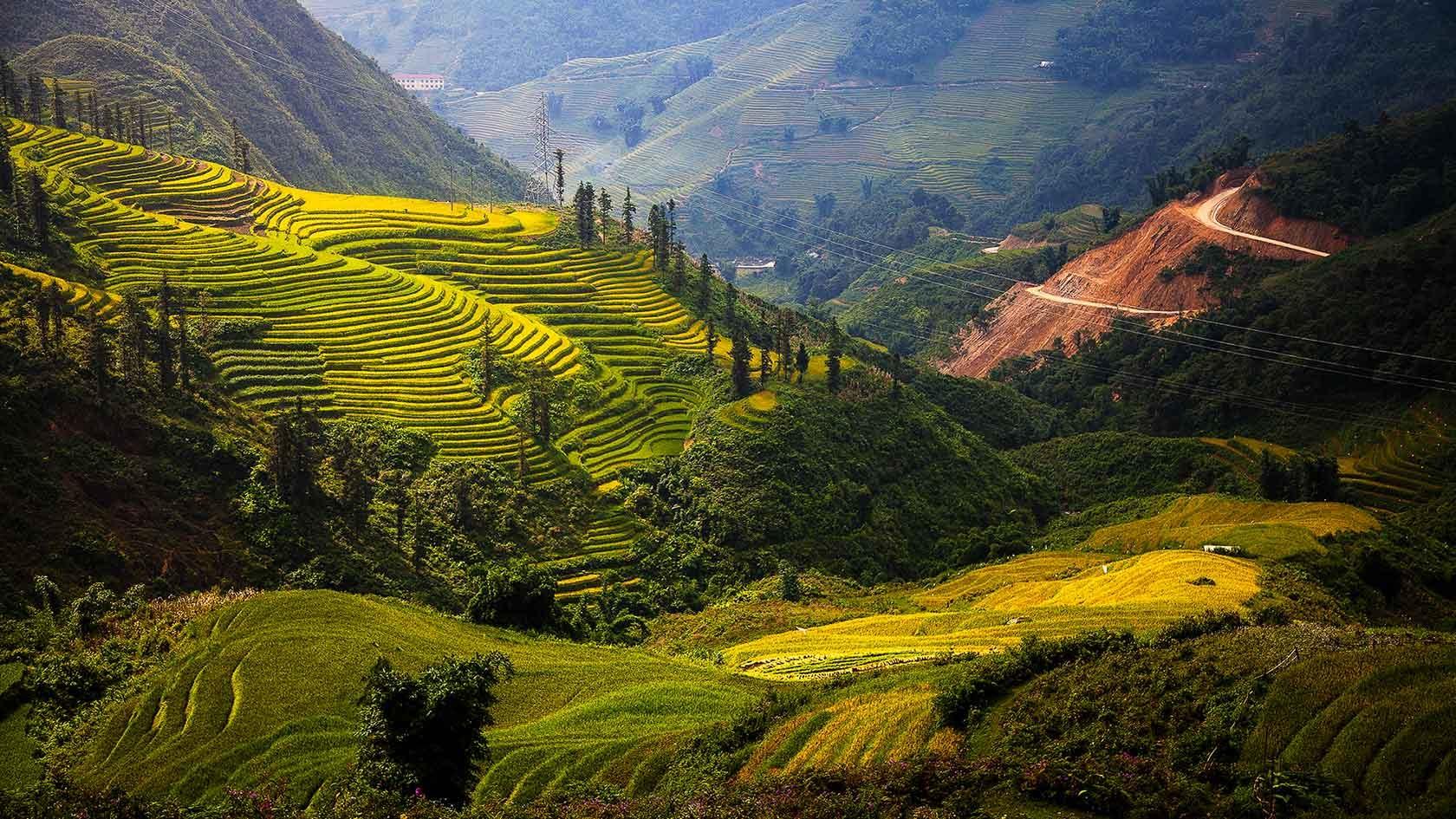
The rice terraces are arguably Sapa’s defining landscape.
They are not simply decorative scenery. They represent generations of agricultural adaptation to steep mountain terrain. Fields are carved into slopes and connected by narrow paths and water systems.
The appearance changes dramatically throughout the year. During late May and early June, the water-filled terraces reflect the sky; during the green growing season, the slopes become intensely green; around late September and early October, the fields can turn golden.
20. Experience the Water Season
The water season, usually around mid-May to early June, is one of Sapa’s most photogenic periods. Recently irrigated terraces reflect clouds, mountains and sunlight like giant mirrors.
Sapa Tourism Office specifically identifies Muong Hoa, Ta Van and Lao Chai as strong places to see this effect.
For photographers, this can be even more interesting than the harvest season.
21. Experience the Green Rice Season
By June and into summer, many terraces become intensely green as the rice grows.
The valley can appear almost like one continuous green landscape, especially when viewed from elevated paths.
Summer also brings more rain, so bring appropriate footwear and rain protection.
22. Experience the Golden Rice Season
Late September and early October can bring the famous golden terraces.
The fields change from green to yellow as rice ripens, producing some of Sapa’s most recognizable landscapes.
This is one reason autumn remains a particularly popular time for photographers and landscape lovers.
23. Walk Across Local Bamboo Bridges
Small bridges and paths can appear throughout the valleys, connecting houses, fields and streams.
One example is the bamboo-and-wood May Bridge near Lao Chai. Sapa Tourism Office notes that such bridges were built primarily for local foot traffic and are too narrow for cars and taxis.
These small details help explain how mountain communities move through the landscape.
24. Try Sapa’s Local Food
Sapa offers a different food experience from Hanoi. Mountain vegetables, grilled meats, sticky rice, local sausages and regional dishes appear on menus throughout the town and villages.
Travelers can also find familiar Northern Vietnamese foods such as phở and bánh mì, but the more interesting choice is often to try a local mountain specialty after a day of trekking.
Markets and family-run restaurants are good places to explore these regional dishes.
25. Drink Mountain Herbal Tea
After trekking, sitting with a cup of tea can be one of the simplest pleasures in Sapa.
Local herbal products are widely associated with mountain communities, particularly the Red Dao.
Rather than buying every herbal product sold to tourists, ask your guide about its ingredients, traditional use and preparation.
26. Photograph Sapa in the Mist
Sapa’s mist is part of its identity. In some seasons, clouds can surround the town and mountain ridges, creating a softer, atmospheric landscape. Sapa Tourism Office describes the town as a “Town in the Clouds” and emphasizes the way mist moves through rooftops, pine hills and the Hoang Lien Son mountains.
Don’t automatically cancel outdoor plans because of fog. If the weather is safe, mist can actually make village walks and photography more atmospheric.
27. Visit Sapa in the Early Morning
Early morning is one of the best times for photography and walking.
The streets are quieter, clouds may sit low over the mountains and local markets and food vendors begin preparing for the day.
If you want clear views of Fansipan or the valleys, check the forecast before going out because conditions can change quickly.
28. Explore Sapa by Motorbike
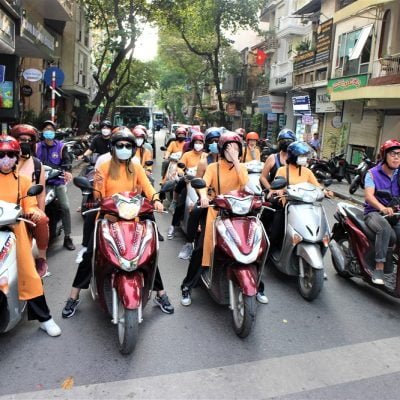
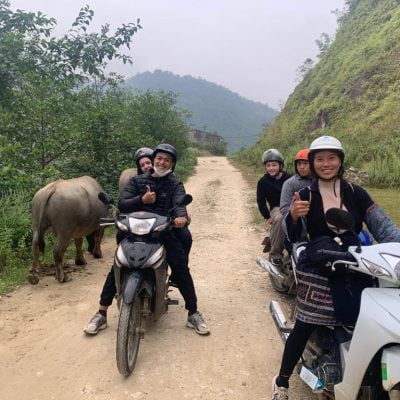
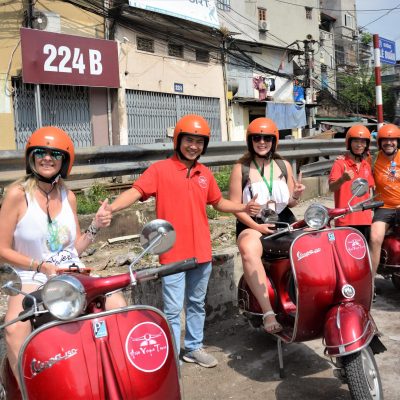
A motorbike can be useful for reaching viewpoints and villages outside the town, but mountain roads require care.
Travelers who do not have substantial riding experience should consider using a local driver rather than renting a motorcycle themselves.
An experienced local rider can also take you along smaller roads that are more difficult to navigate independently.
29. Explore Sapa by Jeep
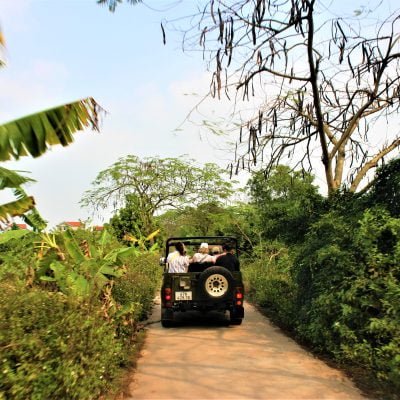
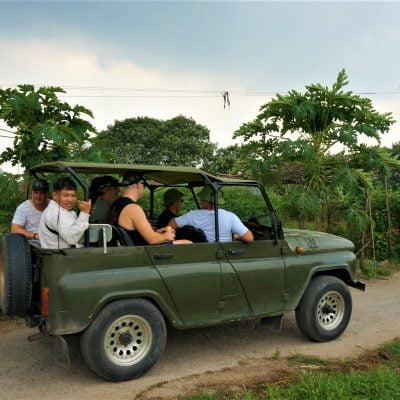
A private Jeep experience is a good alternative for travelers who want mountain scenery without trekking for an entire day or riding a motorcycle.
An open vehicle also provides excellent visibility for photography.
It works particularly well for private groups and families who want to reach several viewpoints and villages during one outing.
30. Go Cycling Around Sapa
Cycling is best suited to the lower valleys and gentler rural roads rather than steep mountain routes.
A bicycle ride through villages and rice fields allows you to move slowly enough to notice houses, farms, streams and local activity.
For travelers who enjoy active but less strenuous experiences, cycling can be a good alternative to a long trek.
Best Sapa Places for Photography
For landscape photography, prioritize Muong Hoa Valley, Ta Van, Lao Chai, Fansipan, Cat Cat and the mountain roads around Sapa. September and early October are particularly attractive for golden rice, while late May and early June offer reflective water-filled terraces.
For cultural photography, local markets and village paths offer more opportunities than the main town. Always ask before taking close-up portraits, particularly of children or people engaged in private activities.
Best Sapa Places for Trekking
The strongest trekking routes generally connect Lao Chai, Ta Van, Y Linh Ho and other villages around Muong Hoa Valley.
Beginners can choose shorter walks, while experienced hikers can request longer mountain routes.
Don’t judge difficulty solely by distance. Wet surfaces, steep climbs and uneven trails can make a short route surprisingly demanding.
Best Sapa Places for Culture
For cultural experiences, focus on Ta Van, Lao Chai, Ta Phin and local markets rather than spending all your time in central Sapa.
Staying in a homestay and eating with a local family can provide more insight into daily life than a short photo stop.
Best Sapa Places for Families
Families may prefer Fansipan, Cat Cat Village, short Muong Hoa walks and a private mountain excursion.
Long trekking days can be challenging for young children, especially during rainy periods.
A private vehicle makes it easier to adapt the schedule around weather and children’s energy levels.
Best Sapa Places for Couples
Couples can combine a mountain-view hotel, a private Muong Hoa trek, a homestay evening and Fansipan.
An early-morning village walk followed by breakfast with a mountain view can be particularly memorable.
For a more romantic experience, choose private transportation instead of a large group itinerary.
Best Sapa Places for Seniors
Older travelers do not need to complete long treks to enjoy Sapa.
Fansipan by cable car, selected viewpoints, short village walks and private road excursions can provide excellent scenery with less physical strain.
Check the number of stairs and walking distance before booking individual attractions.
Sapa for First-Time Visitors
First-time travelers should prioritize Fansipan + Muong Hoa Valley + one village experience + Sapa town.
If you have three nights, add Ta Phin or a market excursion.
This provides a better balance than filling every day with separate tourist attractions.
Is Cat Cat or Ta Van Better?
They serve different purposes.
Cat Cat is closer, easier to reach and more developed for tourism. It works well for first-time visitors and short stays.
Ta Van feels more rural and is better suited to trekking, homestays and longer cultural experiences.
For travelers with enough time, visit both.
Is Sapa Worth Visiting in Summer?
Yes. Sapa’s summer temperatures can be significantly more comfortable than Hanoi, and the rice terraces become lush and green. Sapa Tourism Office notes that sudden showers and changing visibility are common, so rain protection and flexible plans are important.
Summer is particularly attractive for travelers trying to escape the heat in the lowlands.
Is Sapa Worth Visiting in Winter?
Yes, but you need to understand the weather. Winter can be cold, wet, cloudy and occasionally near freezing.
If your priority is clear mountain views and trekking, another season may be easier. If you enjoy mist, chilly weather and atmospheric landscapes, winter can be special.
What to Pack for Sapa
Bring comfortable trekking shoes, a rain jacket, warm layers, sunscreen, a hat, a small backpack and extra socks.
In summer, waterproof footwear is particularly useful because trails can become muddy after rain. Sapa Tourism Office specifically recommends trekking shoes, rain protection and an extra jacket for summer trips.
Don’t pack only for Hanoi’s climate.
How to Avoid Bad Weather Problems
Check the forecast before leaving for Fansipan or a long trek. If visibility is poor, switch to village walks, local food, cafés or the museum instead of forcing a summit experience.
Sapa Tourism Office specifically recommends adjusting activities according to weather, with village visits working well when Fansipan is foggy.
Flexibility is more important in Sapa than following a rigid hour-by-hour itinerary.
A Perfect 2-Day Sapa Itinerary
Day 1: Hanoi → Sapa, check in, explore Sapa town, visit the Stone Church and enjoy a local dinner.
Day 2: Full-day Muong Hoa trek through Lao Chai and Ta Van, with a local lunch and optional homestay.
This is the simplest itinerary for travelers who have limited time.
A Perfect 3-Day Sapa Itinerary
Day 1: Hanoi → Sapa, town exploration.
Day 2: Muong Hoa Valley trekking, Lao Chai and Ta Van.
Day 3: Fansipan in the morning, Ta Phin or another local experience in the afternoon.
This is the itinerary I would recommend to most first-time visitors.
A Perfect 4-Day Sapa Itinerary
Day 1: Hanoi → Sapa.
Day 2: Muong Hoa Valley trekking.
Day 3: Fansipan + Sapa town.
Day 4: Ta Phin, market or a quieter village before continuing to your next destination.
Four days provides enough flexibility to move activities around when mountain weather changes.
Sapa and Ha Giang
Sapa and Ha Giang complement each other well. Sapa focuses on trekking, rice terraces and Fansipan, while Ha Giang is more strongly associated with mountain roads, karst landscapes and multi-day road trips.
Travelers who have 7–10 days can combine Hanoi, Sapa and Ha Giang for a broader Northern Vietnam mountain experience.
Sapa and Halong Bay
For travelers who want both mountains and sea, Hanoi + Sapa + Halong Bay is one of the most balanced Northern Vietnam routes.
Sapa provides trekking and highland culture, while Halong Bay adds a completely different landscape of limestone islands and water.
Sapa and Hanoi
Hanoi and Sapa provide a particularly strong contrast. Hanoi offers history, food and urban life, while Sapa provides mountains, rice terraces and villages.
Spend at least two or three days in Hanoi before heading to Sapa so you can appreciate the difference between the capital and the highlands.
Sapa Tours Led by Women
A Sapa Tour Led by Women can combine trekking, village visits, local food and mountain transportation while keeping the itinerary private and flexible.
The women-led format is not limited to female travelers. Couples, families, solo travelers and private groups can all choose a women-led experience.
For visitors who want more cultural context, a local female guide can explain village customs, food traditions and everyday life rather than simply taking travelers to viewpoints.
Sapa Tours From Hanoi
For travelers starting in Hanoi, a private Sapa itinerary can include transportation, accommodation, trekking and local experiences in one coordinated route.
A typical journey can begin with a private transfer from Hanoi, continue to Sapa for two or three nights and then return to Hanoi or continue to Ha Giang, Halong Bay or another Northern Vietnam destination.
This is particularly useful for travelers who do not want to coordinate several separate transport bookings.
Final Thoughts
A Sapa Travel Guide should go beyond a list of tourist attractions because the real appeal of Sapa lies in the combination of mountains, rice terraces, villages, weather and local life. Fansipan gives you the high-altitude experience, Muong Hoa Valley provides the signature terraces, Lao Chai and Ta Van offer trekking and village life, while Cat Cat and Ta Phin provide easier cultural excursions.
For a first visit, stay at least two nights, and preferably three. Choose the season according to your priorities: March–May and September–November are generally strong periods, late May to early June brings the reflective water-filled terraces, and late September to early October can bring the famous golden rice landscapes.
Most importantly, don’t judge Sapa only by whether you get a perfectly clear mountain view. Sometimes the mist is the experience.
Walk through the terraces, spend time in the villages, taste the mountain food, watch the clouds move across Fansipan and let Sapa reveal itself at its own pace.
Explore Sapa With Vietnam Women Travel
For travelers looking for private and small-group experiences led by women, Sapa can be combined with Hanoi, Ha Giang, Cao Bang or Halong Bay into a flexible Northern Vietnam itinerary.
A private journey can include Hanoi-to-Sapa transportation, Muong Hoa Valley trekking, Ta Van or Lao Chai village visits, Fansipan, local markets and homestay experiences. The itinerary can be adjusted for couples, families, solo travelers and private groups according to fitness, weather and preferred travel style.
Contact Vietnam Women Travel
VIETNAM WOMEN TRAVEL
Address: 91 Tho Nhuom Street, Hoan Kiem District, Hanoi, Vietnam
Phone / WhatsApp 24/7: +84 982 416 518
Second Contact: +84 981 090 989
Website: vietnamwomentravel.com
Private Northern Vietnam Tours Led By Women
Hanoi Tours Led By Women
Sapa Tours Led By Women
Ha Giang Tours Led By Women
Halong Bay Tours
Private & Small-Group Vietnam Experiences
Discover Sapa beyond the main town—trek through rice terraces, stay in mountain villages, visit Fansipan and experience the highlands with local women leading your journey.