Halong Bay Travel Guide: Cruises, Activities & Travel Tips
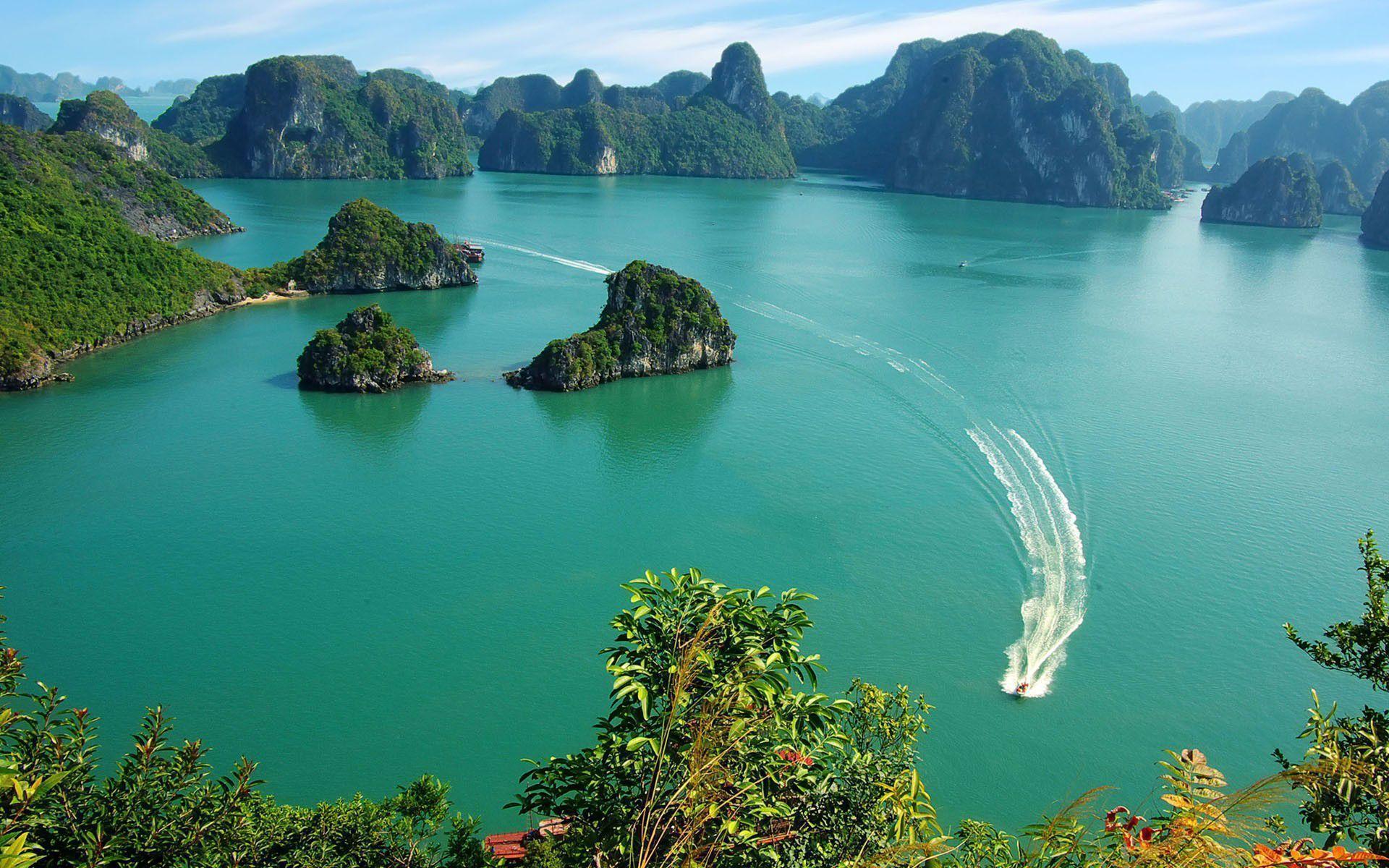
Halong Bay is one of Northern Vietnam’s most iconic destinations, famous for its emerald waters, towering limestone karsts, caves, small islands and overnight cruises. Located in the Gulf of Tonkin, the bay has long been one of the country’s signature natural attractions, and its landscape is best appreciated from the water rather than from a single viewpoint on land. Vietnam’s official tourism website describes cruising among the karst islands, visiting caves and experiencing sunrise and sunset from the water as some of the defining Halong Bay experiences.
For travelers arriving from Hanoi, Halong Bay is particularly convenient. The journey from central Hanoi is generally around 2.5–3 hours by road, making it easy to combine the bay with a Hanoi itinerary. The most popular format is a 2-day, 1-night cruise, although travelers with more time can choose a 3-day, 2-night itinerary or explore Lan Ha Bay and Bai Tu Long Bay as alternatives.
The biggest decision is not whether to visit Halong Bay, but how to experience it. A budget day cruise, boutique overnight vessel, luxury cruise, private charter or combined Ha Long–Lan Ha itinerary can feel like completely different trips. This guide covers the major cruise options, activities, seasons, transportation from Hanoi and practical tips for planning your journey.
Halong Bay at a Glance
| Experience | Recommended Time | Best For |
|---|---|---|
| Day cruise | 1 day | Travelers with limited time |
| 2-day, 1-night cruise | 24–30 hours | First-time visitors |
| 3-day, 2-night cruise | 2 nights | Slow travel |
| Halong Bay | Limestone karsts & caves | Classic Vietnam experience |
| Lan Ha Bay | Kayaking, lagoons, islands | Active travelers |
| Bai Tu Long Bay | Quieter landscapes | Travelers seeking fewer crowds |
| Kayaking | 1–2 hours | Adventure lovers |
| Cave visits | 1–3 hours | Nature & geology |
| Sunrise / sunset | Cruise-based | Photographers & couples |
Why Visit Halong Bay?
The attraction of Halong Bay comes from the combination of water and limestone. Hundreds of islands and islets rise vertically from the sea, creating a landscape that changes continuously as your boat moves between them.
The bay is not simply a sightseeing attraction. The landscape also supports marine ecosystems and has a long archaeological and human history. Official tourism information notes that the broader bay area contains rich biodiversity, including coral, seaweed and numerous plant and animal species.
For most visitors, however, the most memorable part is simply being on the water. The view from a cruise deck at sunrise or sunset is completely different from the view from the harbor.
How Far Is Halong Bay From Hanoi?
Halong Bay is roughly 165 kilometers from Hanoi, and the modern road connection allows travelers to reach the main cruise areas in around 2.5–3 hours under normal conditions.
This makes Halong Bay one of the easiest major Northern Vietnam destinations to add to a Hanoi itinerary.
A typical journey looks like:
Hanoi hotel → highway transfer → cruise terminal → boat check-in → Halong Bay cruise.
The exact transfer time depends on your pickup location, traffic and which port your cruise uses.
How to Travel From Hanoi to Halong Bay
The most practical options are private car, limousine shuttle or cruise-arranged transfer.
Private Car From Hanoi to Halong Bay
A private car offers the greatest flexibility. You can leave your hotel according to your cruise boarding time, carry your luggage comfortably and travel directly to the correct port.
This is particularly useful for couples, families and private groups.
A private transfer also becomes more attractive when several travelers share the cost.
Limousine From Hanoi to Halong Bay
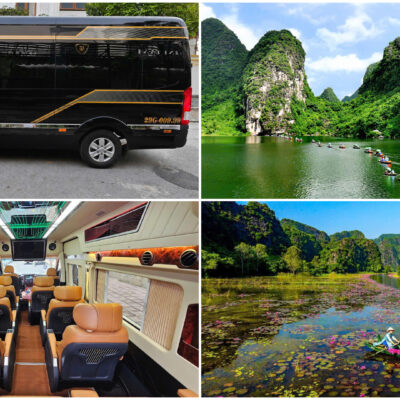
A premium limousine is one of the most popular choices for independent travelers. It is generally more comfortable than a standard bus while remaining considerably cheaper than a private vehicle.
Many cruise packages can arrange the transfer for you, which reduces the risk of arriving at the wrong terminal.
Cruise-Arranged Transportation
When booking a cruise, always check whether Hanoi transportation is included.
Some packages include round-trip transfers, while others charge separately.
The most convenient arrangement is usually hotel pickup in Hanoi followed by direct transportation to the cruise port.
What Is the Best Halong Bay Cruise?
For most first-time visitors, a 2-day, 1-night cruise is the best starting point.
It gives you enough time to experience the bay around sunset and sunrise while including several activities such as kayaking, cave visits or island stops.
Vietnam’s official tourism information describes 2-day, 1-night cruises as one of the standard ways to experience the bay, alongside 3-day, 2-night and day-cruise options.
1. Day Cruise
A day cruise can be useful for travelers with very limited time.
Modern highway connections make a same-day Hanoi–Halong trip feasible, and current tourism guidance describes day cruises of roughly five hours on the water with lunch and sightseeing activities.
The disadvantage is that the schedule is compressed. You may spend several hours traveling from Hanoi and then have only a few hours to explore the bay.
Choose a day cruise when your itinerary is tight, not because it gives the fullest Halong Bay experience.
2. 2-Day, 1-Night Cruise
This is the classic choice.
You normally board around late morning or midday, have lunch, begin sightseeing in the afternoon, enjoy sunset and dinner on board, wake up among the karsts the next morning and return to port around midday.
The biggest advantage is that you experience both sunset and sunrise.
For first-time visitors, this is usually the best balance of time, cost and experience.
3. 3-Day, 2-Night Cruise
A 3-day cruise is ideal for travelers who dislike rushing.
The additional day can mean more kayaking, quieter lagoons, additional islands, beaches or time away from the main tourist routes.
Vietnam’s official tourism information notes that 3-day, 2-night cruises are available alongside shorter formats, and longer itineraries can make the experience feel more relaxed.
Choose this option when you have enough time and genuinely enjoy being on a boat.
Luxury Halong Bay Cruises
Luxury cruises typically offer larger cabins, balconies, better dining, more spacious decks and additional facilities such as swimming pools, spas or premium lounges.
The appeal is not simply the accommodation. A good luxury cruise can turn the entire bay journey into a comfortable floating hotel experience.
Official Vietnamese tourism information notes that higher-end cruises can include facilities such as swimming pools, spa treatments, yoga and other onboard services.
Boutique Halong Bay Cruises
Boutique vessels are a good choice for couples and travelers who prefer a smaller, quieter atmosphere.
The ship may carry fewer passengers, and the experience can feel more personal.
When comparing boutique cruises, pay attention to the actual number of cabins, not just marketing language such as “intimate.”
Family-Friendly Halong Bay Cruises
Families should choose cruises based on cabin layout, safety, meal options and the number of activities rather than simply price.
Ask whether the cruise offers connecting cabins or suitable family rooms.
Parents should also check swimming policies and whether children are allowed on all activities.
Private Halong Bay Cruises
For special occasions, couples or private groups, a private charter can provide the greatest freedom.
You may be able to customize dining, activities, departure arrangements and parts of the route.
Private cruises cost more, but the experience can be significantly more personalized.
Halong Bay vs Lan Ha Bay
This is one of the most common decisions travelers face.
Halong Bay offers the classic landscape most people imagine when they think of Vietnam: dramatic limestone islands rising from emerald water.
Lan Ha Bay offers similar karst scenery but is strongly associated with kayaking, lagoons, beaches and Cat Ba Island. Vietnam’s official tourism website presents Lan Ha Bay as another major way to explore the Gulf of Tonkin’s limestone landscape.
In 2026, the connection between Halong Bay and Lan Ha Bay has become even more integrated. A coordinated tourism route between the two bays officially began operating in April 2026 under joint management arrangements between Quang Ninh and Hai Phong, with connected cruise operations expanding across the heritage area.
Halong Bay vs Bai Tu Long Bay
Bai Tu Long Bay is another option for travelers who want a quieter atmosphere while still enjoying limestone-island scenery.
It is less recognizable by name than Halong Bay but can be attractive for couples and travelers who want a more relaxed cruise.
When comparing cruises, look at the actual itinerary and amount of time spent in quieter areas rather than relying only on the destination name.
The Best Halong Bay Activities
The most popular activities include:
Kayaking
Cave visits
Swimming
Island viewpoints
Bamboo-boat rides
Cooking classes
Tai Chi
Sunrise photography
Sunset viewing
Squid fishing
Not every cruise includes every activity, so read the itinerary before booking. Official tourism information lists kayaking, caves, beaches, cooking classes, sunrise yoga and squid fishing among common cruise experiences.
1. Kayaking in Halong Bay
Kayaking is one of the best ways to experience the karst landscape at water level.
From a cruise deck, the islands can look enormous but distant. From a kayak, you move close to cliffs, beaches, lagoons and cave entrances.
Choose a cruise that provides enough kayaking time rather than a five-minute photo stop.
2. Explore Halong Bay Caves
Caves are among the main attractions on many Halong Bay itineraries.
Popular cave sites include Sung Sot Cave, Thien Cung Cave and Dau Go Cave, although the exact cave visited depends on your cruise route.
The cave experience usually involves walking and stairs, so travelers with mobility limitations should ask about accessibility.
3. Visit Sung Sot Cave
Sung Sot Cave, or Surprise Cave, is one of the most well-known cave attractions.
The chambers are large, with stalactites and stalagmites illuminated to emphasize geological formations.
It is a popular stop, so the atmosphere can be busy at peak times.
4. Visit Thien Cung Cave
Thien Cung Cave is another famous cave with dramatic limestone formations.
It is particularly interesting for travelers who enjoy geology and underground landscapes.
5. Take a Bamboo Boat
Some cruises include a bamboo boat excursion, where local rowers take visitors through quieter water, lagoons or floating-community areas.
This is a slower alternative to kayaking and can be a good choice for families and travelers who don’t want to paddle themselves.
6. Swim in Halong Bay
Some cruises include swimming stops when weather and water conditions allow.
Swimming is usually more dependent on season and itinerary than cave visits, so don’t choose a cruise solely because it advertises a beach stop.
7. Visit Titop Island
Titop Island is one of Halong Bay’s best-known stops. It offers a small beach and a viewpoint reached by climbing hundreds of stairs.
The reward is a broad panorama across the surrounding karst islands.
It is particularly worthwhile for photographers and travelers who enjoy short physical activities.
8. Watch Sunset
Sunset is one of the best reasons to stay overnight.
As the sun falls behind the limestone islands, the water changes color and the karsts become silhouettes.
Find a quiet place on the upper deck rather than staying inside the cabin.
9. Watch Sunrise
Wake early the following morning.
Sunrise often brings calmer water, soft light and fewer distractions.
Many cruises offer early Tai Chi on deck, which can be a pleasant way to experience the quietest part of the day. Official tourism information notes Tai Chi as a common onboard activity.
10. Join a Cooking Class
Many cruises include demonstrations of Vietnamese dishes such as spring rolls.
These classes are often short and designed as entertainment rather than full culinary courses, but they can still be an enjoyable introduction to Vietnamese food.
11. Try Squid Fishing
Nighttime squid fishing may be available depending on the season and cruise.
It is generally a relaxed group activity rather than a serious fishing trip.
12. Try Tai Chi
Tai Chi at sunrise is a common cruise activity.
You don’t need previous experience. The session is mainly an opportunity to stretch and enjoy the quiet morning atmosphere.
Halong Bay Floating Villages
Fishing and floating communities have historically been part of Halong Bay’s cultural landscape. Official tourism information highlights floating villages as an important part of understanding the people who have lived on the water.
Modern tourism management has changed how some communities operate, but cultural and floating-village experiences remain part of selected cruise itineraries.
Best Time to Visit Halong Bay
The official Vietnam tourism website identifies March–April and September–November as particularly favorable periods for cruising.
However, each season has a different character.
March and April
These months can offer comfortable temperatures and relatively favorable conditions for outdoor activities.
The bay can still experience cloudy days, but this period is often attractive for sightseeing and photography.
May to August
The weather becomes hotter and more humid, with a greater risk of heavy rain and tropical storms.
Cruise schedules can be affected by marine weather.
September to November
This is another attractive period for travelers who want more comfortable temperatures and outdoor activities.
The light can be excellent for photography.
December to February
The weather can be cool, cloudy and misty.
The haze can reduce visibility, but it can also create an atmospheric landscape with soft silhouettes.
Can Rain Cancel a Halong Bay Cruise?
Yes.
Halong Bay is a marine environment, so strong winds, storms and unsafe sea conditions can affect cruise operations.
When booking, read the cruise company’s weather cancellation and refund policy carefully.
Do not schedule an important international flight immediately after a cruise without sufficient buffer time.
How Far in Advance Should You Book?
For peak travel periods, booking in advance is recommended, especially for:
Weekends
Public holidays
Christmas and New Year
Tết
Peak autumn and spring periods
Specific cabins and boutique vessels can sell out earlier than basic cruises.
For flexible midweek travel, last-minute availability may be better, but there is less choice.
How to Choose the Right Halong Bay Cruise
Don’t choose based solely on the headline price.
Compare:
Cabin size
Balcony
Number of passengers
Cruise route
Port
Transfer from Hanoi
Meals
Kayaking
Cave visits
Swimming
Cancellation policy
Safety standards
Customer reviews
A cheap cruise that spends very little time on activities you care about may not be good value.
Check the Cruise Port
One of the most overlooked details is the departure port.
Not every Halong Bay cruise leaves from exactly the same terminal or follows exactly the same route.
Confirm:
Where you need to check in.
What time you need to arrive.
Whether Hanoi pickup is included.
How long the transfer takes.
Which bay the cruise actually enters.
This is particularly important now that combined Ha Long–Lan Ha operations are expanding.
What to Pack for Halong Bay
Bring light clothing, comfortable shoes, swimwear, sunscreen, sunglasses, a light jacket and a waterproof bag for electronics.
A small overnight bag is often more convenient than bringing your entire suitcase onto a cruise.
If your cruise company can store larger luggage at the port, confirm the arrangement before departure.
What to Wear on a Halong Bay Cruise
During the day, casual clothing works well.
For caves and island viewpoints, wear shoes with good grip.
For sunrise and evening time on the deck, bring an extra layer.
A cruise is generally relaxed rather than formal, although some premium vessels may have their own evening dress preferences.
What Food Is Served on Halong Bay Cruises?
Cruises typically offer a mixture of Vietnamese and international food, with seafood appearing prominently on many menus.
The quality varies substantially between operators, so read recent reviews rather than assuming a premium cabin automatically means premium food.
Travelers with dietary restrictions should communicate them in advance.
Vegetarian and Vegan Food
Vegetarian meals are usually possible when arranged beforehand.
For strict vegan travelers, clearly specify that you avoid fish sauce, shrimp paste, seafood, meat, eggs and dairy if necessary.
Don’t assume that a dish labeled “vegetarian” uses a vegetarian broth.
Halong Bay for Couples
Halong Bay is one of Northern Vietnam’s strongest destinations for couples.
A private cabin with a balcony, sunset on deck, dinner on the water and sunrise the following morning creates a naturally romantic itinerary.
Couples who prefer quieter experiences may want to compare boutique cruises or routes toward Lan Ha or Bai Tu Long.
Halong Bay for Families
For families, choose a cruise with larger cabins, suitable food and straightforward activities.
Kayaking, bamboo boats and caves can be entertaining for older children, while younger children may prefer shorter excursions and more time on deck.
Check age restrictions before booking.
Halong Bay for Seniors
Seniors should check the amount of walking and number of stairs involved in each activity.
A cruise can be very relaxing if you choose a comfortable cabin and don’t try to participate in every excursion.
Cave visits and island viewpoints can often involve significant steps.
Halong Bay for Photographers
Photographers should prioritize balcony cabins, open decks, sunrise and sunset, rather than focusing only on the list of attractions.
Fog can create spectacular atmospheric images, while clear weather provides strong contrast and long-distance views.
A longer cruise provides more opportunities to photograph changing conditions.
Halong Bay for Luxury Travelers
Luxury travelers can choose premium cruises with larger cabins, private balconies, fine dining, spa services and swimming pools.
Vietnam’s official tourism website currently continues to promote overnight luxury cruises in Halong Bay, reflecting the bay’s growing high-end cruise offering.
For a premium Northern Vietnam itinerary, pair a luxury Halong Bay cruise with private transportation from Hanoi.
Halong Bay for Budget Travelers
Budget travelers can still enjoy the bay.
A day cruise is the lowest-cost way to see the landscape from the water, while shared transfers from Hanoi can keep transportation costs down.
Don’t automatically choose the cheapest overnight cruise. Safety, boat condition and reviews matter more than saving a small amount.
Is Halong Bay Worth Visiting?
For first-time visitors to Vietnam, yes.
The landscape is genuinely distinctive, and spending a night on the water allows you to experience it at multiple times of day.
The better question is which cruise route suits you. A traveler who wants kayaking may prefer Lan Ha Bay, while someone focused on classic landmarks may prefer a traditional Halong Bay route.
Halong Bay vs Ninh Binh
Both destinations feature spectacular limestone landscapes, but they feel completely different.
Halong Bay is a seascape of islands rising from water.
Ninh Binh is a landscape of limestone mountains surrounded by rivers, rice fields and countryside.
A trip that includes both gives you two very different interpretations of Vietnam’s karst environment.
Halong Bay vs Sapa
Sapa and Halong Bay are also completely different.
Sapa: mountains, rice terraces, trekking and ethnic villages.
Halong Bay: sea, limestone islands, cruises and kayaking.
For a first Northern Vietnam trip of one week or more, combining Hanoi, Sapa and Halong Bay creates an excellent contrast.
Halong Bay and Ha Giang
Adventure travelers can combine the mountains of Ha Giang with the seascape of Halong Bay.
A practical sequence is:
Hanoi → Ha Giang → Hanoi → Halong Bay → Hanoi
Because road distances are considerable, allow at least 8–10 days for a comfortable itinerary.
A Perfect 3-Day Hanoi and Halong Bay Itinerary
Day 1: Explore Hanoi Old Quarter and Hoan Kiem Lake.
Day 2: Morning transfer from Hanoi to Halong Bay, board overnight cruise.
Day 3: Sunrise, breakfast, final cruise activities and return to Hanoi.
This is the minimum itinerary I would recommend for first-time visitors who want both Hanoi and Halong Bay.
A Perfect 4-Day Hanoi and Halong Bay Itinerary
Day 1: Hanoi Old Quarter.
Day 2: Hanoi cultural attractions and food.
Day 3: Hanoi → Halong Bay overnight cruise.
Day 4: Halong Bay → Hanoi.
This gives you a much more comfortable introduction to both destinations.
A 7-Day Northern Vietnam Itinerary With Halong Bay
Days 1–2: Hanoi.
Days 3–4: Sapa.
Days 5–6: Halong Bay.
Day 7: Return to Hanoi and depart.
This is one of the strongest short itineraries for travelers who want city + mountains + sea.
A 10-Day Northern Vietnam Itinerary With Halong Bay
Days 1–2: Hanoi.
Days 3–4: Sapa.
Days 5–8: Ha Giang.
Days 9–10: Halong Bay.
This is an active itinerary with substantial road travel, but it offers a remarkable variety of landscapes.
Halong Bay Travel Tips for First-Time Visitors
The first tip is to arrive at the cruise port on time. Missing the boarding window can create major problems.
The second is to check whether the cruise includes the Hanoi transfer.
The third is to read the weather policy.
The fourth is to pack a small overnight bag.
The fifth is to compare the actual itinerary, not just the boat photographs.
And finally, don’t try to participate in every activity. Sometimes the most memorable hour is sitting quietly on the deck watching the karsts move past.
Common Mistakes to Avoid
Choosing a Cruise Only by Price
Two boats at similar prices can offer completely different experiences.
Booking a Day Trip When You Really Want a Relaxed Cruise
A day trip is efficient but fast-paced.
Ignoring the Departure Port
Confirm the exact terminal.
Forgetting About Weather
Cruise schedules can change because of marine conditions.
Bringing Too Much Luggage
Keep the cruise portion light and organized.
Booking a Flight Immediately After the Cruise
Leave a buffer for possible delays.
Expecting Every Bay to Feel the Same
Halong, Lan Ha and Bai Tu Long offer different experiences.
Frequently Asked Questions
How long does it take from Hanoi to Halong Bay?
The road journey from central Hanoi generally takes around 2.5–3 hours under normal conditions.
Is one day enough for Halong Bay?
A day trip is possible, but an overnight cruise provides a much better experience because you see sunrise, sunset and more of the bay.
How many nights should I stay?
For first-time visitors, one night on a cruise is the best starting point. Choose two nights when you prefer a slower itinerary.
Which is better, Halong Bay or Lan Ha Bay?
Halong Bay is best for the classic experience; Lan Ha Bay is particularly attractive for kayaking, lagoons and a more varied island environment. The best decision depends on the exact cruise route.
Can I visit Halong Bay from Hanoi in one day?
Yes. Modern road connections make day trips feasible, with some cruises offering several hours on the water.
Can I go from Sapa to Halong Bay directly?
Yes, but it is a long road journey. Returning through Hanoi is often easier for travelers who have enough time.
What is the best month to visit Halong Bay?
March–April and September–November are commonly highlighted as favorable periods, although weather can vary from year to year.
Is Halong Bay suitable for children?
Yes, but choose a family-friendly vessel and check age restrictions for kayaking, swimming and other activities.
Final Thoughts
A Halong Bay Travel Guide should not simply tell you to “take a cruise.” The quality of your experience depends on choosing the right itinerary, boat, departure port, transfer and activities.
For most first-time visitors, the best choice is a 2-day, 1-night cruise, with enough time for kayaking or cave exploration, sunset on the water and sunrise the following morning. A 3-day, 2-night itinerary is better for travelers who prefer a slower pace. Day cruises remain useful when time is limited.
Also consider the alternatives. Lan Ha Bay is excellent for travelers interested in kayaking and island landscapes, while Bai Tu Long Bay can appeal to those looking for a quieter atmosphere. In 2026, the Ha Long–Lan Ha connection has also become more integrated through coordinated tourism management and new inter-bay cruise operations.
Most importantly, don’t rush the bay.
Watch the limestone islands change color at sunset, wake before sunrise, kayak close to the cliffs and leave some time simply to sit on the deck and watch Vietnam’s most famous seascape pass by.
Explore Hanoi and Halong Bay With Vietnam Women Travel
For travelers looking for private and small-group experiences led by women, Hanoi and Halong Bay can be combined into a flexible Northern Vietnam journey. Start with Hanoi’s Old Quarter, Vietnamese food and local sightseeing, then travel by private vehicle to Halong Bay for an overnight cruise.
The itinerary can also be extended to Sapa, Ha Giang or Ninh Binh, creating a broader Northern Vietnam journey. The women-led format is suitable for couples, families, solo travelers and private groups, rather than being limited to women-only travel.
Contact Vietnam Women Travel
VIETNAM WOMEN TRAVEL
Address: 91 Tho Nhuom Street, Hoan Kiem District, Hanoi, Vietnam
Phone / WhatsApp 24/7: +84 982 416 518
Second Contact: +84 981 090 989
Website: vietnamwomentravel.com
Private Northern Vietnam Tours Led By Women
Hanoi Tours Led By Women
Sapa Tours Led By Women
Ha Giang Tours Led By Women
Halong Bay Tours
Private & Small-Group Vietnam Experiences
Discover Halong Bay from the water—cruise between limestone karsts, explore caves and lagoons, watch sunset and sunrise, and experience Northern Vietnam with local women leading the journey.