Best Places to Visit in Northern Vietnam
Northern Vietnam is one of the most diverse parts of the country for travelers. In one journey, you can walk through the historic streets of Hanoi, trek among the rice terraces of Sapa, ride through the limestone mountains of Ha Giang, cruise between the karst islands of Halong Bay and discover quieter mountain and countryside destinations far beyond the major tourist centers.
The region is defined by contrasts: ancient cities and remote villages, busy markets and silent mountain passes, rice fields and limestone peaks, sophisticated cafés and simple roadside kitchens. Vietnam’s official tourism information identifies Hanoi, Ha Long, Sapa, Mai Chau, Ninh Binh and Ha Giang among the major destinations of Northern Vietnam, while also highlighting places such as Cao Bang, Mu Cang Chai and Cat Ba for travelers interested in nature and culture.
For a first trip, the most important thing is not trying to visit every destination. Northern Vietnam is geographically large, and mountain routes take time. A better strategy is to choose destinations according to your interests: Hanoi for culture and food, Sapa for trekking, Ha Giang for road trips, Halong Bay for cruises, Cao Bang for waterfalls, Mai Chau for peaceful valleys and Mu Cang Chai for dramatic rice terraces.
Northern Vietnam at a Glance
| Destination | Best For | Recommended Time |
|---|---|---|
| Hanoi | History, food, culture, city life | 2–4 days |
| Sapa | Trekking, rice terraces, villages | 2–3 days |
| Ha Giang | Mountain roads, scenery, ethnic cultures | 3–4 days |
| Halong Bay | Cruises, caves, kayaking | 1–2 days |
| Cao Bang | Waterfalls, mountains, border landscapes | 2–3 days |
| Mai Chau | Valleys, cycling, village life | 1–2 days |
| Mu Cang Chai | Rice terraces, photography | 2–3 days |
| Cat Ba | Islands, kayaking, nature | 2–3 days |
| Ba Be | Lake, forests, rural culture | 2 days |
| Ban Gioc Waterfall | Waterfalls, mountain scenery | 2 days |
1. Hanoi – The Best Starting Point for Northern Vietnam
Hanoi is the natural gateway to Northern Vietnam and the destination that gives you the strongest introduction to the country’s history, food and urban culture. The capital has more than a thousand years of history and combines the Old Quarter, French-colonial architecture, lakes, temples, museums, markets and a huge street-food culture. Vietnam’s official tourism website describes Hanoi as the best entry point to the north and highlights the Old Quarter, Temple of Literature, Ho Chi Minh Complex and Imperial Citadel of Thang Long.
For first-time visitors, start with Hoan Kiem Lake and the Old Quarter, then add the Temple of Literature, Ho Chi Minh Complex, French Quarter and Long Bien Bridge. Food should be part of the itinerary: try phở, bún chả, bánh cuốn, chả cá and egg coffee.
Hanoi is also where you can experience Northern Vietnam through a local perspective before continuing into the mountains.
2. Sapa – Rice Terraces and Mountain Villages
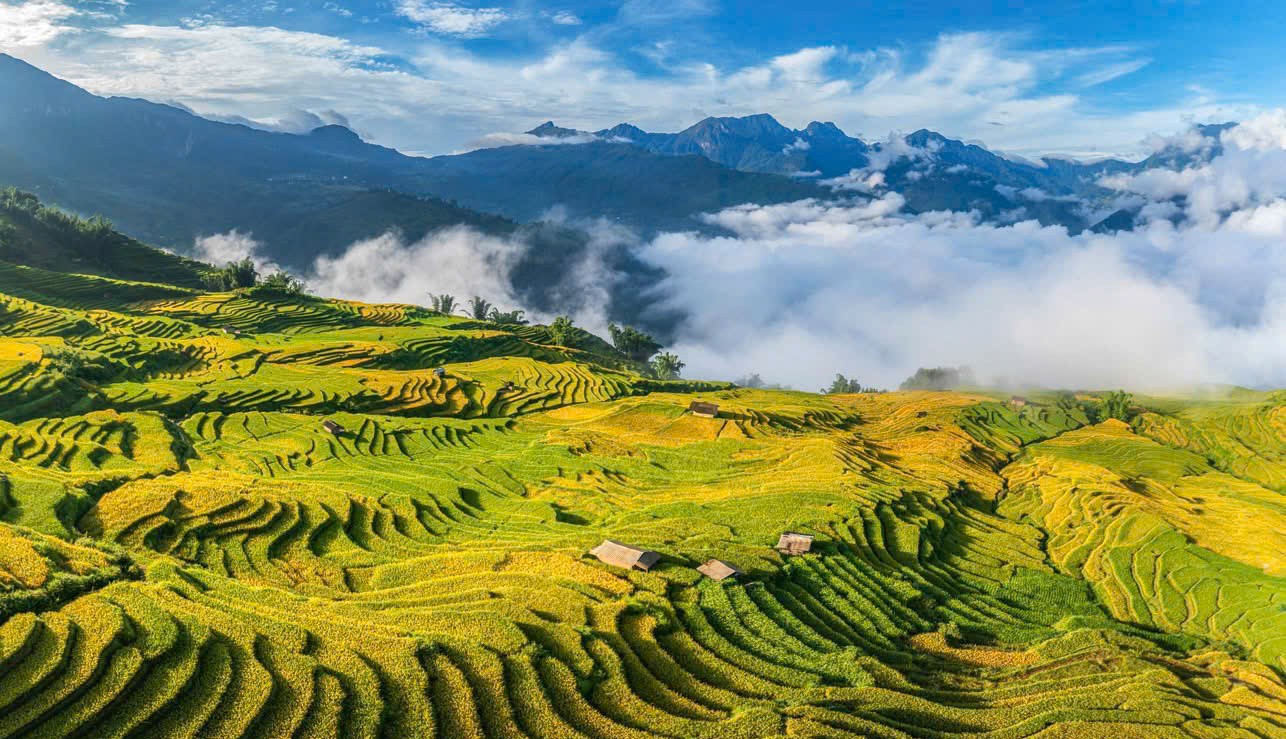
Sapa is one of the best places in Northern Vietnam for travelers who want mountains, trekking and rural landscapes. The surrounding Hoang Lien Son range creates dramatic scenery, while valleys such as Muong Hoa are covered with rice terraces that change color throughout the agricultural year.
Sapa is also home to communities including Hmong, Red Dao and Tay people. A good itinerary should combine scenery with respectful cultural experiences rather than treating villages simply as photography locations.
Plan at least two nights if trekking is important to you. One day can be dedicated to a village route through rice terraces, while another can be used for Fansipan or a more relaxed exploration of the area.
3. Muong Hoa Valley – Sapa’s Most Scenic Landscape
Muong Hoa Valley is one of the most impressive places around Sapa. Rice terraces descend across steep hillsides, with villages scattered among the fields.
The landscape changes significantly depending on the season. During planting periods, water-filled terraces can reflect the sky. Later, the hills become intensely green, followed by golden tones during harvest.
For photographers, early morning and late afternoon are especially rewarding because the light emphasizes the patterns of the terraces.
4. Fansipan – The Highest Peak in Vietnam
Fansipan is the highest mountain in Vietnam and one of the main attractions around Sapa. Travelers can reach the summit area using the cable-car system rather than undertaking a long expedition, although serious trekkers can still choose hiking routes.
Weather at altitude can change quickly. On a clear day, the views can be spectacular, while clouds and fog may hide the mountains completely.
Before going, check the weather forecast and prepare for considerably cooler conditions than in Hanoi.
5. Ha Giang – Northern Vietnam’s Great Mountain Adventure
If Sapa is known for trekking, Ha Giang is famous for road travel. The province offers some of Northern Vietnam’s most dramatic mountain landscapes, including steep limestone peaks, deep valleys and winding roads.
The Ha Giang Loop commonly passes through areas such as Quan Ba, Yen Minh, Dong Van and Meo Vac. The journey itself is the attraction: you can spend hours moving between mountain viewpoints, villages and high passes rather than visiting one single monument.
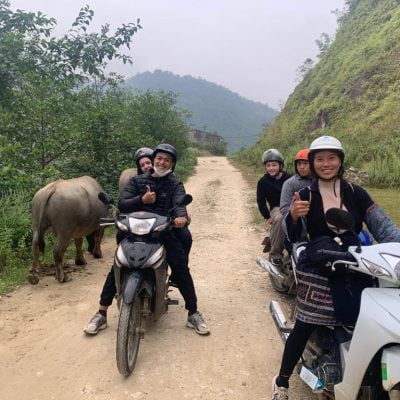
For international travelers who are not experienced on Vietnamese mountain roads, riding as a passenger with an experienced local driver is often much more practical than renting a motorcycle independently.
6. Quan Ba – Mountains at the Start of the Ha Giang Loop
Quan Ba is one of the first major scenic areas on many Ha Giang itineraries. Mountain viewpoints provide sweeping views across valleys and limestone formations.
The landscape becomes increasingly dramatic as the route climbs, making this a natural introduction to the Ha Giang experience.
Allow enough time for photography rather than treating Quan Ba as a quick roadside stop.
7. Dong Van – The Heart of the Karst Plateau
Dong Van is an important base on the Ha Giang Loop and one of the most attractive areas for travelers interested in geology, ethnic cultures and mountain scenery.
The Dong Van Karst Plateau is characterized by dramatic limestone formations and deep valleys. Roads wind through the mountains, connecting small settlements and viewpoints.
A local market visit can add another dimension because it reveals how people living in these highland communities trade food, livestock, clothing and agricultural products.
8. Ma Pi Leng Pass – One of Northern Vietnam’s Great Viewpoints
Ma Pi Leng Pass is one of the most famous mountain passes in Vietnam. The road runs high above the Nho Que River, creating enormous views across cliffs and valleys.
This is one of the strongest locations for landscape photography in Northern Vietnam.
Weather can change quickly at high altitude, so bring an extra layer even when temperatures are warm in Hanoi.
9. Nho Que River
The Nho Que River runs below the Ma Pi Leng area and provides a completely different perspective on the mountains.
Depending on local operating conditions and your itinerary, a boat experience can take you beneath towering limestone cliffs and into narrow sections of the valley.
Combining the mountain viewpoint with the river gives you two very different views of the same landscape.
10. Meo Vac
Meo Vac is another important stop on the Ha Giang Loop. The area is surrounded by limestone mountains and remote communities.
Market days are especially interesting because people travel from surrounding villages to trade and socialize. These visits give travelers an opportunity to understand that the mountain region is not simply a scenic destination—it is a living agricultural and cultural landscape.
11. Cao Bang – Mountains, Waterfalls and Quiet Roads
Cao Bang is an excellent choice for travelers who want spectacular scenery but prefer a destination that is generally quieter than Sapa or Halong Bay.
The province is characterized by limestone mountains, valleys, rivers and ethnic villages. The official tourism website highlights Cao Bang among Northern Vietnam’s standout destinations and specifically promotes its natural and cultural attractions.
Cao Bang works especially well as a 2–3 day adventure for travelers willing to travel farther from Hanoi.
12. Ban Gioc Waterfall – A Northern Vietnam Highlight
Ban Gioc Waterfall is one of the most spectacular waterfalls in Vietnam and a major attraction in Cao Bang.
Water flows over a broad limestone formation along the Vietnam–China border, surrounded by green mountains and agricultural landscapes.
The scenery changes considerably with weather and water levels. Clear weather provides the most dramatic views, but misty conditions can create a completely different atmosphere.
The current official tourism website continues to feature Ban Gioc Waterfall among Northern Vietnam’s important natural attractions.
13. Truc Lam Ban Gioc Pagoda
Near Ban Gioc Waterfall, Truc Lam Ban Gioc Pagoda provides an elevated viewpoint over the surrounding landscape.
The combination of mountains, rice fields and the waterfall below makes this one of the most useful stops for photographers visiting Cao Bang.
It is also a quieter cultural experience to pair with the natural scenery.
14. Ba Be Lake – Forests and Water
Ba Be Lake is a good choice for travelers who want a slower experience involving water, forest and rural communities.
The lake lies within a protected natural area surrounded by limestone mountains and forests. Boat trips can be combined with caves, waterfalls, village visits and short walks.
Ba Be is particularly suitable for travelers who want to spend two days somewhere peaceful after a busy Hanoi itinerary.
15. Mai Chau – A Quieter Mountain Valley
Mai Chau is one of the most accessible mountain destinations from Hanoi. Compared with Ha Giang or Sapa, the landscape is gentler, with broad valleys, rice fields and traditional village communities.
The destination is well suited to cycling, walking and homestays.
Mai Chau is particularly attractive to families and travelers who want rural scenery without very long or difficult mountain journeys. Vietnam’s official Northern Vietnam destination list includes Mai Chau among the region’s major destinations.
16. Pu Luong – Rice Terraces and Rural Life
Pu Luong is an excellent alternative for travelers who want rice terraces and village scenery but prefer a quieter environment than Sapa.
The landscape combines mountains, terraced fields, bamboo forests and villages. Walking routes can be adjusted from gentle half-day walks to longer trekking experiences.
For travelers interested in rural scenery and photography, Pu Luong is one of the strongest additions to a Northern Vietnam itinerary.
17. Mu Cang Chai – Spectacular Rice Terraces
Mu Cang Chai is famous for its vast rice terraces carved into steep mountain slopes.
During the agricultural year, the terraces change from water-filled fields to bright green and eventually golden harvest landscapes. Vietnam’s official tourism information highlights Mu Cang Chai as one of the country’s major northern mountain attractions and specifically notes its famous rice-field scenery.
The destination is particularly valuable for photographers who want dramatic landscapes without visiting the more heavily marketed Sapa area.
18. Y Ty – Remote Mountain Landscapes
Y Ty is a quieter northern destination near the Chinese border, known for mountain scenery, traditional villages and impressive rice terraces.
It is less convenient to reach than Sapa, which is part of its appeal. Travelers who are prepared for longer road journeys can experience a more remote side of Northern Vietnam.
This destination is best suited to adventurous travelers, photographers and visitors who have several extra days.
19. Cat Ba Island – Forest, Sea and Adventure
Cat Ba combines limestone islands, beaches, forest and marine activities. The island is particularly useful for travelers who want to combine the classic Halong Bay landscape with hiking and kayaking.
Vietnam’s official Northern Vietnam guide notes that Cat Ba is the largest island in the region and highlights its national park, coral reefs, mangroves, hiking, diving, snorkeling and kayaking.
Cat Ba is a good alternative for travelers who want more outdoor activity than a traditional cruise alone.
20. Halong Bay – Northern Vietnam’s Iconic Seascape
Halong Bay is one of the most recognizable landscapes in Vietnam. More than a thousand islands and islets rise from the water, creating a seascape of limestone cliffs, caves and small beaches. Vietnam’s official tourism site describes Halong Bay as a UNESCO World Heritage site and recommends staying aboard a cruise for a night or two to experience the area more fully.
A 2-day, 1-night cruise is usually the most convenient introduction. Activities can include kayaking, cave visits, swimming, sunset viewing and sunrise photography, depending on the itinerary.
21. Lan Ha Bay – A More Relaxed Alternative
Lan Ha Bay, south of Halong Bay around Cat Ba, offers similar limestone scenery but with a different atmosphere.
It can appeal to travelers looking for kayaking, smaller beaches and a more relaxed cruise environment. The official tourism website currently highlights Lan Ha Bay as a Northern Vietnam destination for gliding through emerald waters.
Compare the actual cruise routes rather than choosing solely based on the name of the bay.
22. Bai Tu Long Bay – Quieter Limestone Landscapes
Bai Tu Long Bay lies northeast of Halong Bay and is often chosen by travelers looking for fewer crowds.
The landscape maintains the characteristic limestone islands of Northern Vietnam while offering opportunities for a quieter cruise experience.
If your priority is atmosphere rather than seeing the most famous landmarks, compare itineraries that spend more time in Bai Tu Long Bay.
23. Ninh Binh – Northern Vietnam’s Limestone Landscapes
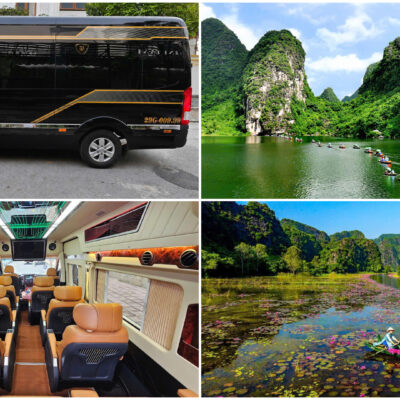
Ninh Binh is one of the most popular destinations near Hanoi, famous for limestone karsts, rice fields, rivers and temples. Vietnam’s official tourism information describes it as the “Ha Long Bay on land” because of the dramatic limestone formations rising from the landscape.
A boat ride through the karst landscape is one of the most popular experiences.
For travelers who want to include Ninh Binh, a 1–2 day extension from Hanoi is usually enough.
24. Trang An Landscape Complex
Trang An is one of the most scenic areas of Ninh Binh, combining waterways, limestone mountains, caves and temples.
Traditional boats pass through narrow cave systems and open valleys, making the experience very different from a Halong Bay cruise.
Although the destination requires only a short transfer from Hanoi, the landscape feels dramatically different from the capital.
25. Tam Coc
Tam Coc is another famous Ninh Binh landscape where boats travel along a river surrounded by limestone formations and rice fields.
The scenery varies by season. During the rice-growing period, the fields create bright green and golden contrasts with the gray limestone cliffs.
For photographers, early morning and late afternoon are generally the most attractive times.
Which Northern Vietnam Destination Is Best for You?
Choosing the right destination depends on your travel style.
For first-time visitors: Hanoi.
For trekking: Sapa or Pu Luong.
For dramatic mountain roads: Ha Giang.
For waterfalls: Cao Bang.
For rice-terrace photography: Mu Cang Chai or Sapa.
For traditional village life: Mai Chau or Ba Be.
For cruises: Halong Bay.
For kayaking and island adventures: Cat Ba or Lan Ha Bay.
For limestone landscapes near Hanoi: Ninh Binh.
For remote travel: Y Ty or Cao Bang.
Best Places in Northern Vietnam for Couples
Couples can combine Hanoi + Sapa + Halong Bay for a balanced trip.
Hanoi offers food and nightlife, Sapa provides mountain scenery and homestays, and Halong Bay adds a romantic cruise.
For adventurous couples, replace or add Ha Giang and choose a private mountain-road experience.
Best Places in Northern Vietnam for Families
Families generally benefit from shorter transfers and comfortable transportation.
A good route is Hanoi + Halong Bay + Ninh Binh, with Sapa added if the children are old enough for mountain travel.
For families who prefer quieter countryside experiences, Mai Chau can be easier than Ha Giang.
Best Places in Northern Vietnam for Adventure Travelers
Choose Ha Giang + Sapa + Cao Bang + Cat Ba.
This combination gives you trekking, mountain roads, waterfalls, caves, kayaking and long scenic journeys.
It is best suited to travelers with at least 10 days available.
Best Places in Northern Vietnam for Photographers
The strongest photography destinations include Ha Giang, Sapa, Mu Cang Chai, Ban Gioc Waterfall, Halong Bay and Hanoi.
Each offers a different type of image: mountain roads, rice terraces, waterfalls, limestone islands and urban street life.
A private itinerary is particularly useful because photography depends heavily on weather and light.
Best Places in Northern Vietnam for Food Lovers
Hanoi is the clear starting point.
Explore phở, bún chả, bánh cuốn, chả cá, bún đậu and egg coffee before traveling into the mountains.
In the northern provinces, look for regional ingredients, mountain vegetables, grilled meats, rice-based dishes and local market foods.
Best Places for Ethnic Culture
The strongest destinations for travelers interested in ethnic cultures include Ha Giang, Sapa, Mai Chau, Cao Bang, Ba Be and Y Ty.
Choose community-based experiences where possible, including local guides, homestays and family-run meals.
The goal should be cultural exchange rather than simply collecting photographs of traditional clothing.
Best Places for a Relaxing Northern Vietnam Trip
If you prefer a slower pace, choose Hanoi + Mai Chau + Halong Bay.
This avoids the long, winding mountain journeys of Ha Giang while still giving you city, countryside and seascape.
Pu Luong is another excellent choice for travelers who want a peaceful rural setting with light trekking.
Best Places for a 7-Day Trip
Don’t try to cover the entire north.
A good seven-day route is:
Days 1–3: Hanoi.
Days 4–5: Halong Bay or Ninh Binh.
Days 6–7: Sapa.
This is much more comfortable than trying to include both Sapa and Ha Giang.
Best Places for a 10-Day Trip
With ten days, choose:
Hanoi – 3 days
Sapa – 2 days
Ha Giang – 3 days
Halong Bay – 1 night
This is an active schedule but provides a strong overview.
Best Places for a 14-Day Northern Vietnam Trip
Two weeks allows a much more balanced journey:
Hanoi – 3 days
Sapa – 2 days
Ha Giang – 3–4 days
Cao Bang – 2 days
Halong Bay or Cat Ba – 2 days
This itinerary focuses on the mountains and coast without rushing through every destination.
Northern Vietnam Travel by Season
Northern Vietnam changes significantly throughout the year.
Spring can be pleasant for Hanoi, with flowers and greener landscapes emerging in mountain areas.
Summer is hot and humid and can bring heavy rain, especially in mountain regions.
Autumn is one of the most attractive periods for Hanoi and many mountain destinations, although conditions vary by location.
Winter can be chilly and foggy in Hanoi and genuinely cold in Sapa and Ha Giang.
For rice-terrace photography, agricultural timing can matter as much as weather.
How to Travel Between Northern Vietnam Destinations
Hanoi to Sapa: Road transfer or train plus road transfer.
Hanoi to Ha Giang: Bus or private vehicle.
Sapa to Ha Giang: Private road transfer or a combination of transport services.
Hanoi to Halong Bay: Road transfer, usually followed by a cruise.
Hanoi to Cao Bang: Long road journey, best approached with sufficient time.
Hanoi to Mai Chau: Road transfer is straightforward compared with the more remote northern provinces.
Because the mountains are spread across a large area, don’t underestimate travel time.
Private Tours in Northern Vietnam
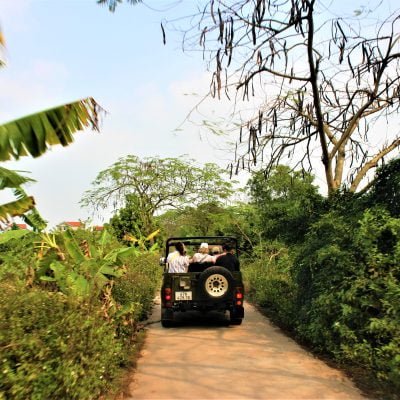
Private travel can be particularly useful in Northern Vietnam because destinations are geographically separated and weather can affect road schedules.
A private guide and vehicle allow you to start when you want, stop for photographs and adjust the itinerary when conditions change.
For Ha Giang and Cao Bang, local drivers are especially valuable because mountain roads require familiarity with the terrain.
Why Choose Women-Led Northern Vietnam Tours?
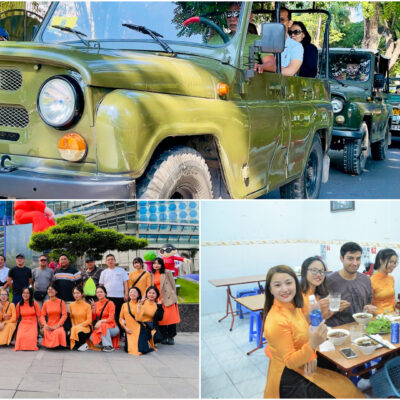
A Northern Vietnam Tour Led by Women can combine private transportation, local food, cultural experiences and sightseeing while giving travelers the opportunity to travel with local female guides.
The format is not women-only. Couples, families, solo travelers and private groups can participate.
For travelers interested in a more personal itinerary, the guide can connect major attractions with local neighborhoods, markets, villages and food experiences.
Best Northern Vietnam Route for First-Time Visitors
For a first trip, the most balanced route is:
Hanoi → Sapa → Ha Giang → Halong Bay → Hanoi
Allow approximately 10–12 days.
With only one week, simplify to:
Hanoi → Sapa → Halong Bay
This leaves enough time to actually enjoy the destinations rather than spending the entire trip in transit.
Final Thoughts
The best places to visit in Northern Vietnam depend on what kind of traveler you are. Hanoi is the cultural and culinary gateway. Sapa offers rice terraces and trekking. Ha Giang provides dramatic mountain roads and ethnic cultures. Cao Bang brings waterfalls and limestone landscapes. Mai Chau and Pu Luong offer gentler rural experiences. Mu Cang Chai is a dream for photographers, while Halong Bay, Lan Ha Bay and Cat Ba provide Northern Vietnam’s most iconic coastal scenery. Official Northern Vietnam tourism information similarly groups Hanoi, Halong Bay, Sapa, Ha Giang, Mai Chau and Ninh Binh among the region’s key destinations.
You do not need to visit every destination.
Choose Hanoi + Sapa for culture and mountains, Hanoi + Ha Giang for adventure, Hanoi + Halong Bay for an easy first trip, or add Cao Bang, Mai Chau, Pu Luong or Mu Cang Chai when you have more time.
Northern Vietnam is at its best when you leave enough space between destinations to enjoy the journey itself.
Walk Hanoi’s historic streets, trek through mountain villages, ride through dramatic passes and watch limestone peaks rise from the sea—Northern Vietnam is a region best experienced one landscape at a time.
Explore Northern Vietnam With Vietnam Women Travel
For travelers looking for private and small-group Northern Vietnam experiences led by women, Vietnam Women Travel can be positioned as a local travel brand connecting travelers with Hanoi, mountain and cultural experiences across the North. A private itinerary can be adapted for couples, families, solo travelers and groups, with a focus on local food, culture, landscapes and flexible travel.
For a first-time trip, a route combining Hanoi, Sapa, Ha Giang and Halong Bay provides an excellent overview of Northern Vietnam, while longer journeys can add Cao Bang, Mai Chau, Pu Luong or Mu Cang Chai.
Contact Vietnam Women Travel
VIETNAM WOMEN TRAVEL
Address: 91 Tho Nhuom Street, Hoan Kiem District, Hanoi, Vietnam
Phone / WhatsApp 24/7: +84 982 416 518
Second Contact: +84 981 090 989
Website: vietnamwomentravel.com
Private Northern Vietnam Tours Led By Women
Hanoi Tours Led By Women
Sapa Tours Led By Women
Ha Giang Tours Led By Women
Halong Bay Tours
Private & Small-Group Vietnam Experiences
Discover Northern Vietnam with local women guides—from the historic streets of Hanoi and the rice terraces of Sapa to the spectacular mountains of Ha Giang, the waterfalls of Cao Bang and the limestone islands of Halong Bay.